
Tangier has one of the mildest climates in Morocco. Summers are warm but rarely brutal, winters are green and soft, and the wind matters more than the temperature. Here is the weather month by month, what it means for your plans, and when I would come if it were my trip.
See the Tangier Full Day Tour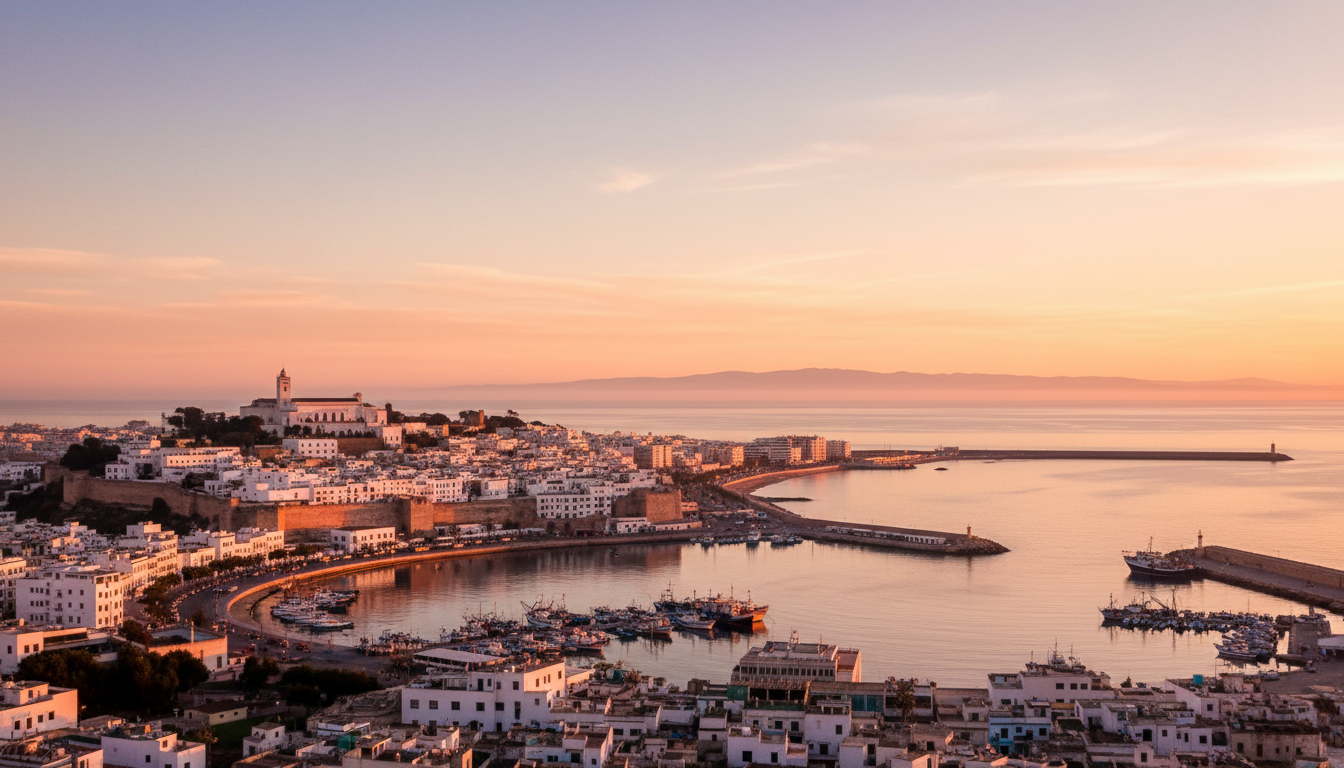
Visitors often expect Tangier to be as hot as Marrakech. It is not. The city sits on the Strait of Gibraltar with the Atlantic on one side and the Mediterranean on the other, and the sea keeps it cooler in summer and warmer in winter than the interior. As a licensed Tangier tour guide I work outdoors all year, so this is what the seasons actually feel like on the ground, not just on a chart.
Tangier Weather Month by Month
These are approximate long-term averages. Any single week can be warmer, colder or wetter, so check the forecast a few days before you travel.
| Month | Average high | Average low | Rainfall | Sea |
|---|---|---|---|---|
| January | 16°C | 9°C | About 105 mm | 16°C |
| February | 17°C | 9°C | About 100 mm | 16°C |
| March | 18°C | 11°C | About 75 mm | 16°C |
| April | 20°C | 12°C | About 65 mm | 16°C |
| May | 23°C | 15°C | About 35 mm | 18°C |
| June | 26°C | 18°C | About 15 mm | 20°C |
| July | 28°C | 20°C | Almost none | 21°C |
| August | 29°C | 20°C | Almost none | 22°C |
| September | 27°C | 19°C | About 15 mm | 21°C |
| October | 24°C | 16°C | About 65 mm | 20°C |
| November | 19°C | 12°C | About 130 mm | 19°C |
| December | 17°C | 10°C | About 130 mm | 17°C |
Spring: March to May
Spring is my favourite time to guide. The hills around Cap Spartel are green after the winter rain, the light is clear, and afternoons in the low twenties are perfect for walking the medina and the Kasbah. March and April still bring the odd rainy day, so pack a light waterproof. By May the rain has mostly gone and the city is at its most comfortable.
- Best for: walking tours, day trips to Chefchaouen and Tetouan, photography
- Pack: layers, a light jacket for the evenings, comfortable shoes
- Watch out for: Easter and spring holidays in Spain, when the ferries from Tarifa fill up
Summer: June to August
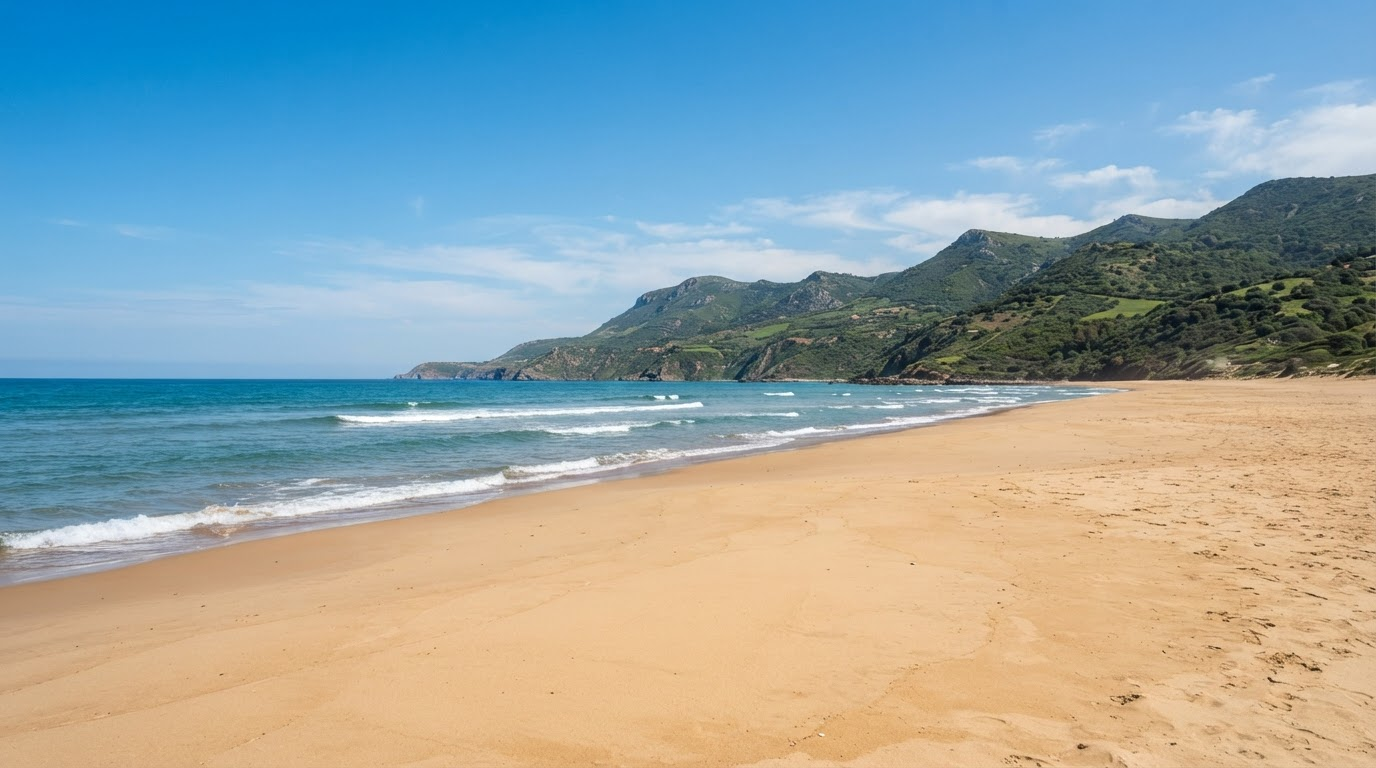
The Atlantic beaches south of Cap Spartel are at their best from late June to early September.
Summer is dry and sunny, with highs in the high twenties. That is warm, but far gentler than Fes or Marrakech, where 40°C is common. The sea warms up to around 21 or 22°C, so this is the season for the beaches of Tangier. It is also the busiest time of year. Moroccans living in Europe come home for the holidays, and Spanish visitors cross for day trips, so book ferries and tours in advance.
- Best for: beaches, the camel ride at Achakkar, long evenings on rooftop terraces
- Pack: sun hat, sunscreen, light clothes that cover the shoulders and knees for the medina
- Tip: start tours early. The medina is cooler and quieter before 11:00
Autumn: September to November
September is summer without the crowds. The sea is still warm, the days are still long, and the holiday traffic has gone. October is mild and pleasant, with the first rains usually arriving later in the month. November is the turning point: it is one of the two wettest months of the year, but it is also quiet, green and good value.
- Best for: a relaxed city break, combining Tangier with Asilah or the imperial cities
- Pack: a light jacket from October, an umbrella for November
Winter: December to February
Winter in Tangier is mild, not cold. Daytime highs around 16 or 17°C feel pleasant in the sun, but nights drop to around 9 or 10°C, and many older riads have no central heating, so ask before you book. Rain comes in bursts rather than all day, and between the showers the city is calm and very photogenic. If you do not mind packing a raincoat, it is a good time to see Tangier without the crowds.
- Best for: museums, the Kasbah, food tours, quiet streets and lower prices
- Pack: a warm sweater, a waterproof jacket, shoes that cope with wet cobblestones
The Wind Matters More Than the Rain
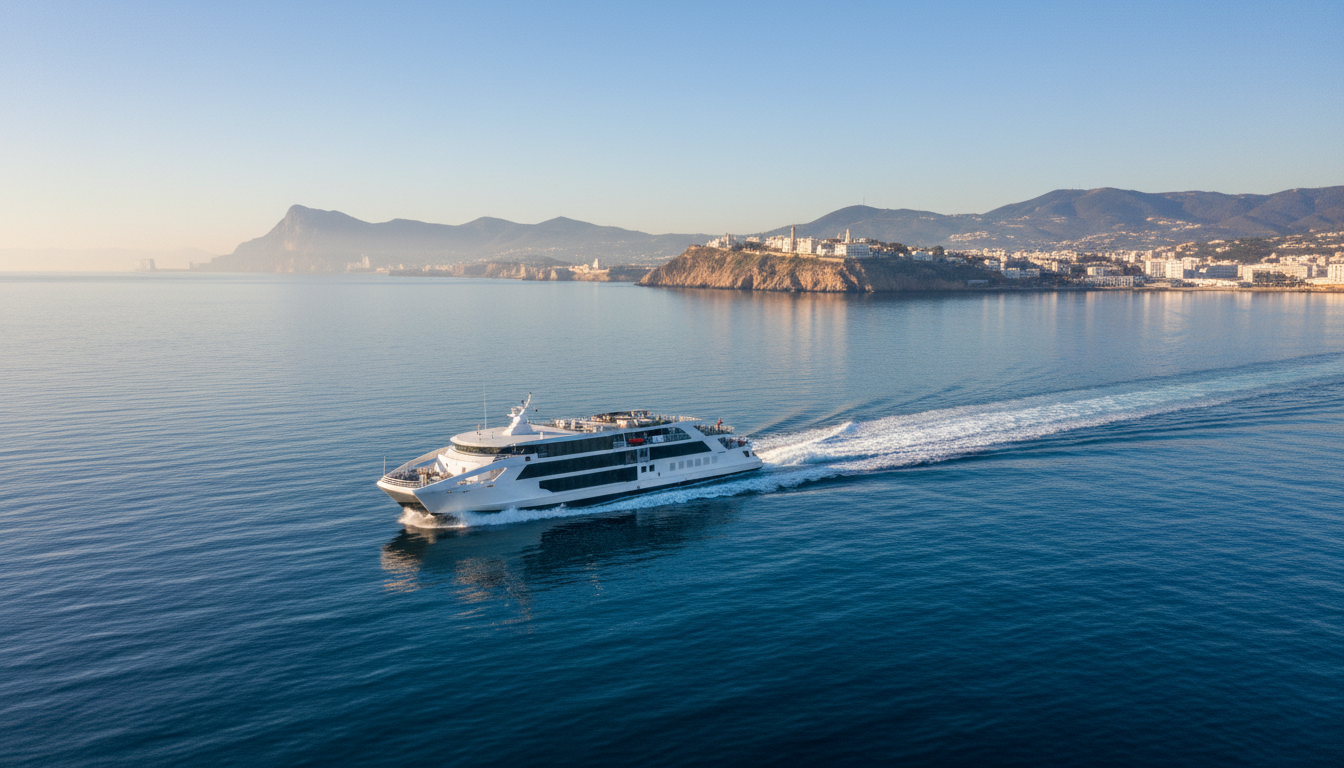
When the Levante blows hard, the fast ferries between Tarifa and Tangier can stop for the day.
The Strait of Gibraltar is a wind tunnel. Two winds shape life here: the Levante from the east, which is warm, dry and strong, and the Poniente from the west, which is cooler and fresher. The Levante can blow for several days in a row, in summer as well as in winter.
Strong wind is the main reason the Tarifa to Tangier ferries are cancelled. When that happens, the bigger ships between Algeciras and Tanger Med usually keep running. Check the forecast the day before, keep your plans flexible, and read my guide to taking the ferry from Spain to Tangier.
On the ground, the wind mostly means one thing: Cap Spartel and the coast road feel cooler than the town, so bring a layer even in summer.
So, When Is the Best Time to Visit Tangier?
One more thing to factor in is Ramadan. It moves about eleven days earlier each year, and in 2027 it falls around February and early March. The city stays open and tours run as normal, but some restaurants close during the day and the evenings are lively after sunset.
For the rest of the country, see my guide to the best time to travel to Morocco, and if you are still deciding how long to stay, read how many days you need in Tangier.
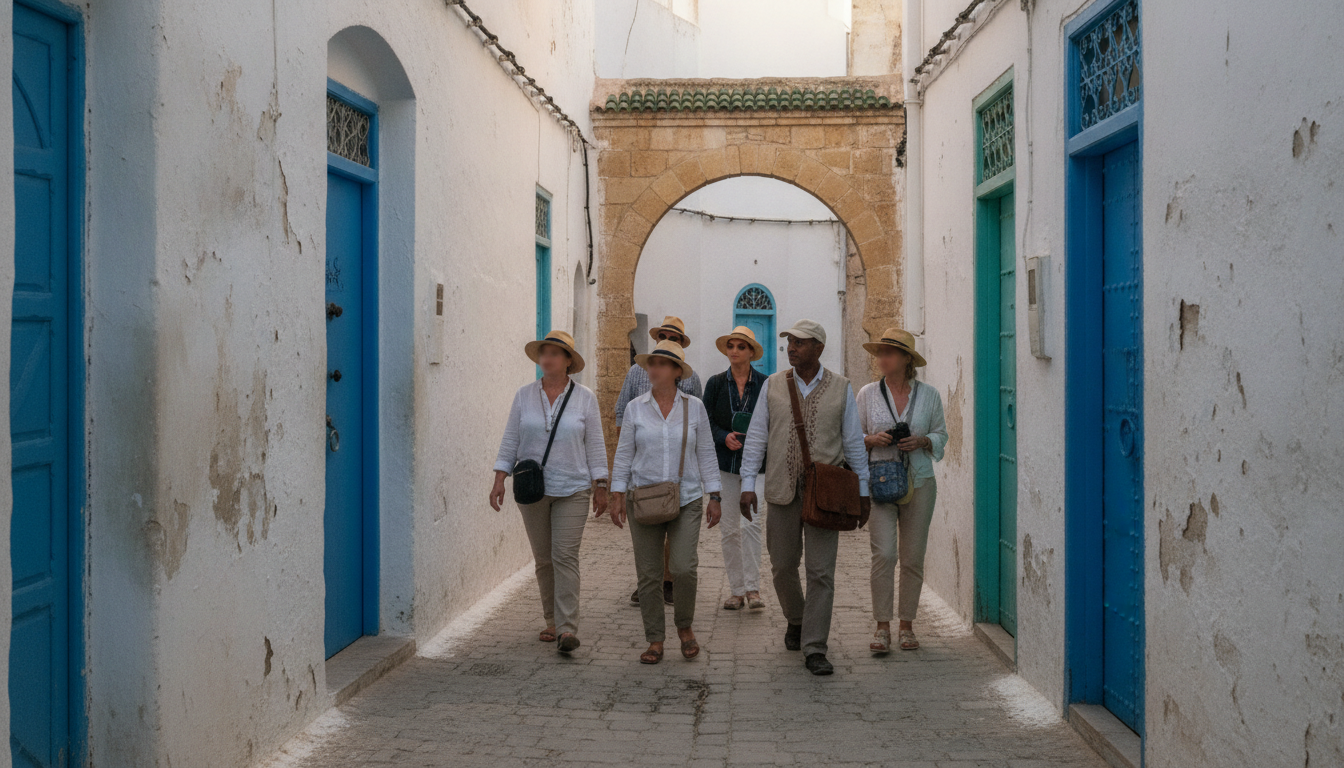
Tangier Full Day Private Tour
From 90 euros per person, private tour
- Pickup from your hotel, riad, the port or the airport
- Kasbah and medina with a licensed local guide
- Cap Spartel and the Caves of Hercules
- Camel ride on the Atlantic beach
- Timing adjusted to the season and the weather
Frequently Asked Questions
August, with average highs around 29°C and lows around 20°C. Thanks to the sea breeze it is much cooler than inland cities such as Fes or Marrakech.
November and December are the wettest months, with around 130 mm of rain each. July and August are almost completely dry.
Not really. Daytime highs stay around 16 to 17°C, but nights drop to around 9°C and many traditional houses have no heating, so bring a warm layer for the evenings.
Yes, from June to October, when the sea is between 20 and 22°C. The rest of the year it is around 16 to 18°C, which is fresh for most people.
Yes. Strong wind in the Strait, especially the easterly Levante, can cancel the fast ferries between Tarifa and Tangier for a day or more. The larger ships between Algeciras and Tanger Med are less affected.
Whatever the Weather, Tangier Is Worth a Day
Tell me your dates and I will plan the day around the season: beaches and sunset in summer, the Kasbah and a long lunch in winter.
Book the Full Day Tour Message on WhatsAppTours from Tangier
- Tangier full day private tour
- Tangier private tour from Tarifa
- Tangier shore excursion from the cruise port